ADVANCED PLANNING · CALIFORNIA
Multigenerational and Advanced Planning for California Families
The exemption is $15 million. Your estate is growing faster than it is.
Irrevocable trusts, lifetime gifting and generation-skipping structures for California families whose estates are large enough that federal estate tax is a real number, designed by an attorney who spent over a decade in trusts and estates and then went in-house at a registered investment adviser.
Exemption That Grows.
In 2026 each person can pass $15 million free of federal estate tax, and a married couple can pass $30 million. That amount is now permanent and indexed for inflation, which removed the deadline everyone was planning around. It did not remove the problem.
The problem is arithmetic. Above those figures the federal rate is 40 cents on the dollar, and the exemption grows with inflation while a concentrated portfolio, a California property or a private company grows with the market. Families who are comfortably under the line today are often over it in fifteen years, and by then the growth they wanted to move has already happened inside their estate.
Advanced planning moves that future growth out of your estate while you still control the timing. It uses irrevocable trusts, which is the part that makes people hesitate, because irrevocable sounds like a door closing. In practice these structures are built with a great deal of flexibility designed in. Your spouse can keep access. You can retain certain powers, such as the power to change who eventually receives what. A trust protector can adapt the terms to conform to a tax law nobody has written yet.
California adds two wrinkles most articles skip. This state has no estate tax, so nothing extra is owed here on death, but it does tax trust income where the trustee or a non-contingent beneficiary lives here, at rates up to 13.3 percent. And California law limits how long a trust can run, so a dynasty trust intended to last for generations has to be set up with that in mind from the start. Both are solvable. Both are easier to solve before the trust is signed than after.


WHY IT'S WORTH DOING
What moving growth out of your estate is worth
I.
Growth moves out of your estate instead of into it
Move an asset at today's value and every dollar it earns afterward belongs to your family rather than to the estate tax. This is why timing matters more than the size of the gift.
II.
You use the exemption before inflation spends it
$15 million is indexed, but a portfolio compounding at 7 percent doubles roughly every decade. Exemption used today shelters everything that asset becomes.
VI.
The structure is defensible
A written plan for retitling your home, accounts and other assets into the trust, and help getting it done. This is the step most firms leave to you and most people never finish.
III.
Your children inherit assets, not a forced sale
Estate tax is due nine months after death, in cash. Families whose wealth sits in real estate or a private company are the ones who end up selling at the worst possible moment.
IV.
Assets are protected from the next generation's divorce or creditors
A properly drafted trust holds the inheritance for your child rather than handing it over. In California, where community property rules are unforgiving, this matters more than families expect.
V.
You keep more control than "irrevocable" suggests
Trust protectors, powers of appointment, substitution powers and decanting provisions let the plan bend as families and tax law change.
WHY IT'S WORTH DOING
The structures, one at a time
I.
A written estate tax projection
Your current estate, your likely estate at life expectancy, and the tax at each point. Most families have never seen this number. It is usually the reason they act.
II.
Spousal lifetime access trusts (SLATs)
One spouse gifts to an irrevocable trust for the benefit of the other, using part or all of their lifetime gift and estate tax exemption
VI.
Qualified personal residence trusts
A way to move a California home out of your estate at a discounted gift value while you go on living in i
III.
Irrevocable life insurance trusts
Estate tax is due nine months after death, in cash. Families whose wealth sits in real estate or a private company are the ones who end up selling at the worst possible moment.
IV.
Grantor retained annuity trusts
You transfer an asset, take back an annuity, and everything the asset earns above the IRS hurdle rate passes to your children with little or no gift tax used. Well suited to concentrated stock and pre-liquidity positions.
V.
Intentionally defective grantor trusts and installment sales
You pay the trust's income tax personally, which is a further tax-free gift to your children every year, and the asset itself grows outside your estate

Planning Beyond the First Generation
Planning Beyond the First Generation
I.
Dynasty and generation-skipping planning
Allocating your $15 million GST exemption so the trust supports children, grandchildren and beyond without a transfer tax at each generation. Note that GST exemption is not portable between spouses, so unused exemption is lost if it is not allocated.
II.
Family limited partnerships and LLCs
Consolidating family assets into an entity, then gifting non-controlling interests at often with valuation discounts applied
VI.
III.
Lifetime gifting programs.
Annual exclusion gifts of $19,000 per recipient in 2026, direct payments of tuition and medical costs, and 529 funding, coordinated so the reporting is right.
IV.
Coordination with your advisors
Your financial advisor, CPA, insurance broker and business counsel work from the same plan. [Confirm whether you prepare Forms 709 and 706 in house or coordinate with the client's CPA
WHY WORK WITH ME
Structures Built to Last
Most estate planning attorneys understand the structures. Fewer have watched them meet a real portfolio.
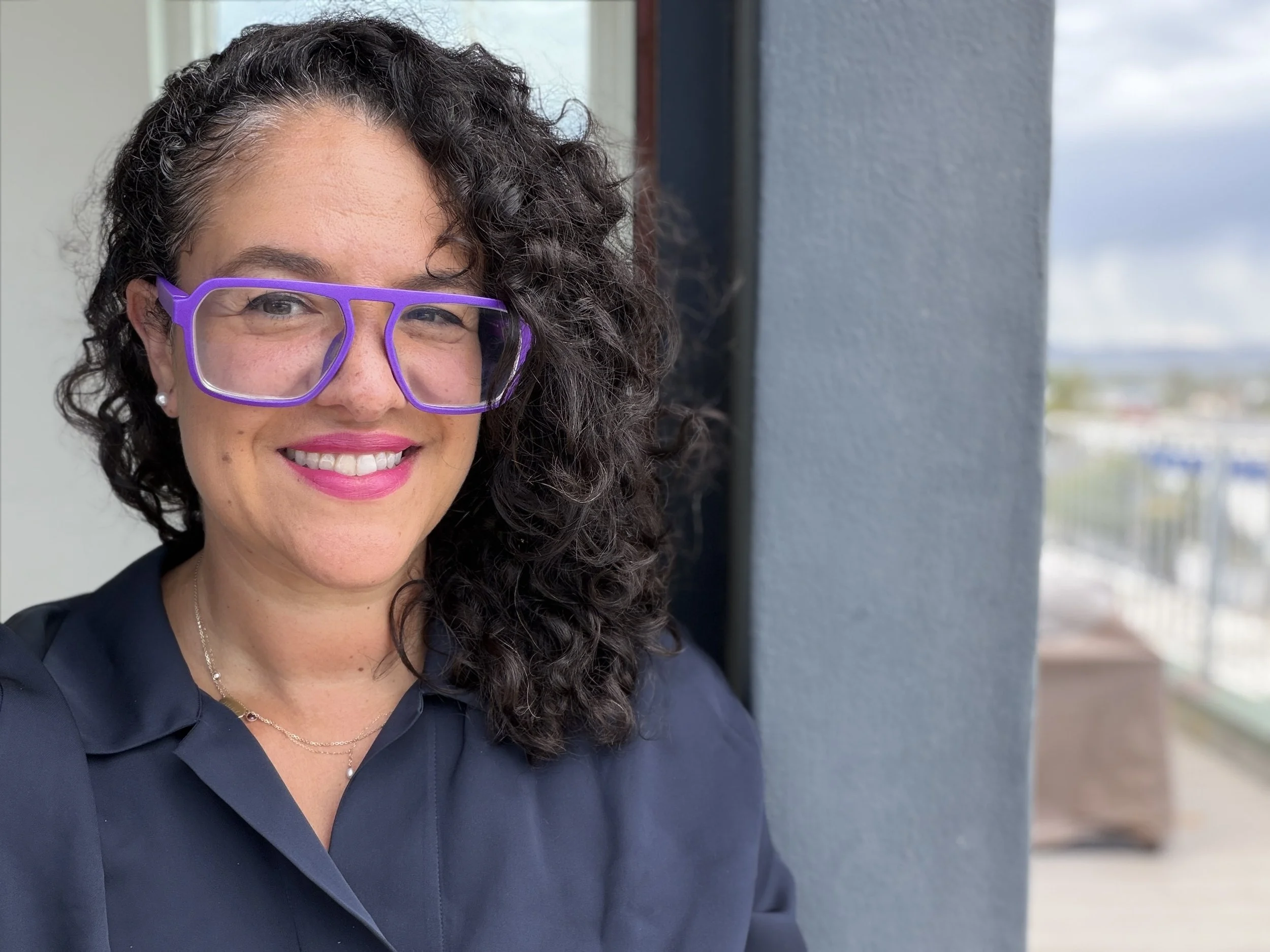
I spent over a decade in estate planning, first at an established California law firm and then as in-house counsel at a registered investment adviser. That second role is the unusual part, and it shapes how I work. I saw which structures integrate with a family's investment strategy and which ones quietly fight it: the GRAT funded with the wrong asset, the ILIT nobody maintained, the trust whose situs created a state income tax bill nobody had modeled. Advanced planning goes wrong in the years after signing far more often than on the day it is drafted.
I am admitted in California and New York, and I have been named to Best Lawyers: Ones to Watch in Trusts and Estates. I work directly with your financial advisor and CPA rather than around them, because these structures only work when the legal, tax and investment sides agree.
I keep the practice deliberately small. You work with me from the first projection through to signing and every review afterward.
HOW IT WORKS
From projection to a plan that still holds
I.
Free consultation
We talk through what you own, how it is held, and what you want to happen. I'll say plainly if advanced planning isn't worth it for you.
II.
Estate tax projection
I model your estate now and at life expectancy, with the tax at each point, so the decision rests on your numbers
III.
Strategy design
I recommend a combination of structures, in an order, with the trade-offs set out. Your advisor and CPA are part of this conversation.
IV.
Drafting and implementation
Documents drafted, reviewed with you in plain English, signed, and implemented: assets retitled, entities formed, appraisals obtained.
FREQUENTLY ASKED QUESTIONS
Common questions before booking
-
It depends on where your estate will be, not where it is. The exemption is permanent and indexed now, so the old 2026 deadline is gone. What has not changed is that a growing estate can overtake an inflation-adjusted exemption. If your estate is above roughly half the exemption today, or you own something likely to appreciate sharply such as a business or California property, it is worth modeling. Everything above the exemption is taxed at 40 percent, due in cash within nine months of death.
-
A revocable living trust avoids probate but does nothing for estate tax, because you still own everything in it. An irrevocable trust removes assets from your estate, which is what creates the tax benefit, and in exchange you give up direct ownership. Most families need both: the revocable trust as the foundation, described on my Foundational Estate Planning page, and one or more irrevocable trusts layered on for tax and asset protection.
-
Often, yes, and that is the point of a spousal lifetime access trust. You make a gift to a trust for your spouse's benefit, so the assets leave your estate while your spouse can still receive distributions. Two cautions apply in California. Community property has to be properly converted to separate property before the gift, or the transfer does not do what you intended. And if both spouses create trusts for each other that look too similar, the IRS can treat them as cancelling out under the reciprocal trust doctrine, which undoes the planning. Both are drafting problems with drafting solutions.
-
Not forever. California's statutory rule against perpetuities, at Probate Code section 21205, allows a trust interest to vest up to 90 years after the trust is created. Several other states permit trusts to run for centuries or indefinitely, which is why long-term family trusts are often established with a trustee and governing law outside California. That decision also affects state income tax, since California taxes trust income based on where the trustee and the beneficiaries live. It is a decision to make before the trust is signed
-
Proposition 19 changed this significantly. A child who inherits a parent's primary residence can keep the parent's assessed value only if the child makes it their own primary residence within one year and files the homeowners' exemption claim in time, and even then only upto about $1 million above the parent's assessed value.
Rental properties, second homes and commercial property are reassessed to market value on transfer, which can multiply the annual tax bill. Planning for this is separate from estate tax planning and is often the larger number for California families. It is worth addressing while both generations can still act.
BOOK A FREE CONSULTATION
Advanced planning is worth the most when there is time to let it work
Book a free consultation, by video or at my Marina Del Rey office, and you will leave with a clear view of where your estate is heading and what, if anything, is worth doing about it.