

Pre-dispute Mediation
Pre-Dispute Estate Planning Mediation
Every estate dispute I mediate could have been a conversation twenty years earlier.
A facilitated family meeting held before the plan is signed, so your decisions are explained by you, to the people they affect, while you are still here to explain them.
Creating Clarity Before The Plan Is Final
Almost every inheritance dispute has the same shape. A decision was made for a reason, the reason was never explained, and after the funeral the family had to guess. They usually guess unkindly.
The decisions that cause it are rarely unreasonable. The house goes to the child who stayed. One child receives less because they were helped years ago. The business goes to the one who works in it. A second spouse is provided for ahead of the children. Each of those is defensible. None of them survives being discovered for the first time in a lawyer's office.
Pre-dispute mediation is a structured family meeting, run by a neutral, before the plan is finalized. You explain what you intend and why. Your family asks questions. Where there is a real objection, you hear it while you can still decide what to do about it, and where there is only surprise, the surprise is used up now rather than later.
This is the cheapest work in my practice, and by some distance the most effective. A day spent here routinely prevents a dispute that would have cost the family a year of their lives and a large part of what you left them

What this covers
Estate Planning Considerations
Where children receive different amounts and you would rather say why yourself.
Who gets it, who can buy it, and what happens to anyone living there.
Who takes over, who owns it, and how the others are provided for. The detailed version is on the Family Business Succession Mediation page.
Bringing a second spouse and children from a first marriage into the same conversation before they are opposed to each other.
Naming one child over another, or naming a professional, and explaining that choice before it becomes an accusation.
Recognizing the child who does the caring, in a way the others have heard and understood.
Making a position clear now, since these are the arrangements default law protects least and families challenge most.
Where the estate is smaller than the family assumes, or the plan gives more to charity than they expect.
Bringing adult children into the picture as future trustees and beneficiaries rather than as surprised recipients.
What Is Included
Legally Structured Agreements
A private planning call with you, and with your spouse or partner, before anyone else is involved. You decide what is discussed and what is not.
A review of the draft plan or the existing one, so the conversation matches the documents.
Private intake calls with the family members who will attend.
A half-day session, in person in Marina Del Rey or by secure video, so family in other states can attend.
Facilitation on the day, so the meeting stays on the subject and everyone gets heard.
A written record of what was explained and what was agreed, which is often the most valuable output.
A follow-up conversation with you about anything raised that you want to act on before signing.
Where a plan is being changed as a result, coordination with whoever is drafting it.
Family dispute
Why Clarity Before Signing Matters
After you are gone, your family has documents and a guess. Very few disputes are about the law. Almost all are about the reason.
A single day here costs a small fraction of a contested trust or probate matter, which commonly runs each side $50,000 to $250,000.
Families frequently discover during these meetings that the child everyone assumed wanted the house does not want it, or that the named trustee does not want the job. Better now than later.
California enforces these only in limited circumstances, and a beneficiary with probable cause can bring a direct contest without triggering one. A clause deters. An explanation persuades.
Plans that look neat on paper sometimes cannot be administered. This is where that surfaces.
The person who will have to carry this out has met everyone and heard you say what you meant.
WHO THIS IS FOR
Who Benefits From This Conversation
Anyone whose plan treats children differently and knows it needs explaining.
Parents of a blended family, where the plan has to work for a spouse and for children from an earlier marriage.
Business owners handing on a company.
Families where a house, a farm or a single large asset dominates the estate.
Unmarried partners and chosen families who want their arrangements understood before they are tested.
Anyone who has already seen an inheritance dispute in their own family and does not want a second one.
Estate planning clients whose attorney has flagged that the plan is likely to be challenged.
Adult children who would like the conversation to happen and do not know how to start it.
WHY WORK WITH ME
Estate Planning Expertise With a Neutral Perspective
A meeting like this needs someone who can hold a difficult family conversation and answer the document questions as they come up, because they always come up.
I spent over a decade in trusts and estates, including at an established California firm, then went in-house at a registered investment adviser. I have been named to Best Lawyers: Ones to Watch in Trusts and Estates. I have drafted plans like yours, and I have mediated the disputes that follow plans like yours. That second part is what makes this useful. I know which explanations hold up afterward and which ones the family reopens.
I also built this practice for families whose lives do not fit the standard template, including second marriages, chosen family and first-generation wealth, which are exactly the situations where an unexplained plan is most likely to be challenged.
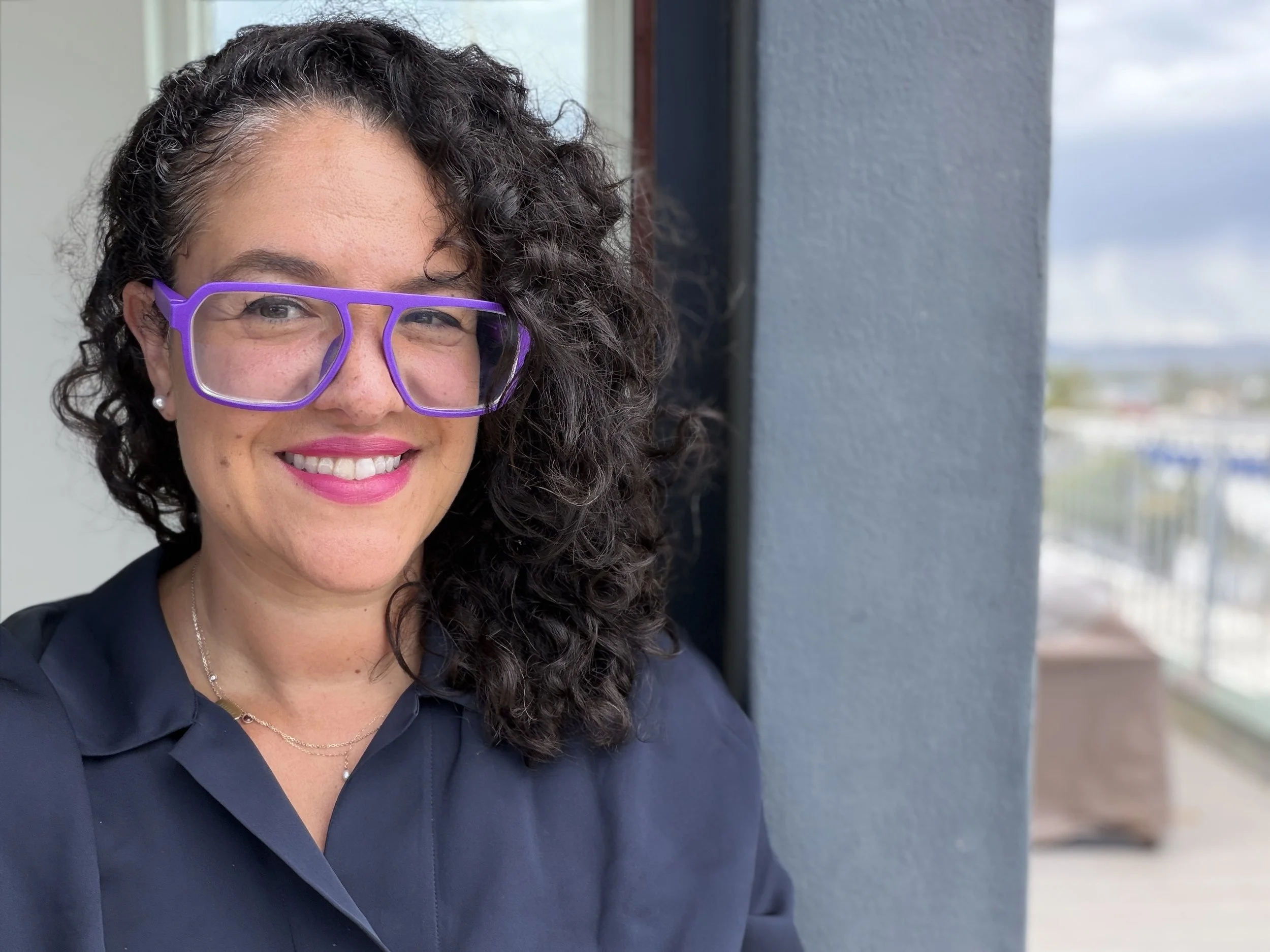
Where I am facilitating rather than acting as your attorney, I am neutral in the room: I am not advocating for your plan, I am making sure it is understood. If I am also your estate planning attorney, we agree the boundary in writing before the meeting, and family members are told plainly which role I am in.
How It Works
A Clear Path To Resolution
A short call with whichever party reaches out first. I explain the process, check for conflicts and confirm mediation is the right fit.
All parties sign an agreement covering confidentiality, fees and format. I then hold a private intake call with each side.
Half a day or a full day. Opening statements if the parties want them, then joint discussion and private sessions as needed.
If you settle, I draft the settlement terms before anyone leaves. If you settle in part, you leave with the remaining issues narrowed and a plan for them.
A follow-up call to confirm the agreed steps are happening, and coordination with each party's attorney where the settlement needs implementing.
FREQUENTLY ASKED QUESTIONS
Common Questions Before Booking
-
Both, and the difference matters less than it sounds. There is usually no dispute yet, so nobody is settling a claim. What happens is a facilitated conversation with a neutral in the room, using the same structure and the same confidentiality protections as mediation. If a genuine disagreement does emerge on the day, it can be mediated there and then, which is part of why running it this way is better than a family dinner.
-
It is the most common worry and the evidence points the other way. Arguments that start while you are alive tend to be smaller, because you can answer them, and because your family is arguing with you rather than about you. Disputes that begin after a death have no such brake. In the meetings I run, the emotional weight is almost always lower than the family expected, because most of it came from not knowing.
-
No. You decide the agenda in the planning call. Plenty of clients explain the structure and the reasoning without disclosing figures. Others share everything. Some cover only one decision, such as the house or the business, and leave the rest. Explaining the reasoning matters far more than disclosing the amounts.
-
Not on its own. California enforces a no-contest clause only in limited circumstances, and it will not be enforced against a direct contest brought with probable cause. So a beneficiary with a genuine basis for a claim can still bring one. A clause raises the stakes for a speculative challenge. It does nothing about the resentment that drives most disputes. Used together with an explained plan, the two work; used alone, the clause is a bet.
-
Some will not, and that is worth knowing in itself. In those cases the meeting still has value with whoever does attend, and the written record of what you explained becomes evidence of your intentions. Where one person refuses, a private conversation with them, separately, is often the more productive route and I can help structure it.
BOOK A FREE CONSULTATION
Start With a Conversation
If a trust dispute is building in your family, the cheapest moment to deal with it is now, before positions harden and before the legal fees start coming out of the trust. Call 310.853.2667, email info@honeybrookslaw.com, or use the booking form.