
Trust Mediation in California
Trust and Estate Dispute Mediation in California
The trustee stopped answering. The beneficiaries stopped trusting. There is a faster way through this than court.
Private mediation for trustee and beneficiary conflicts, accounting disputes, trust contests and disagreements over what a trust actually means, led by an attorney who has drafted and administered the documents in question.
Understanding the Path to Resolution
Trust disputes rarely start with a lawsuit. They start with silence. A trustee takes over after a parent dies, the work turns out to be harder than expected, questions go unanswered, and within a few months the beneficiaries assume the worst. By the time anyone reaches for a lawyer, the argument has moved a long way from the money.
The law gives beneficiaries real rights here. A trustee has to keep beneficiaries reasonably informed, provide the notification California requires when a trust becomes irrevocable, and account at least annually unless the trust says otherwise. Most trustees are not hiding anything. They are behind, unsure what they owe, and defensive about being asked.
That is precisely the kind of dispute mediation is built for. In one session we can put the accounting in front of everyone, separate the genuine legal questions from the accumulated resentment, and agree terms that a court will enforce. Nobody has to be found guilty of anything for this to be resolved.
I am not a litigator. I am an estate planning attorney who has drafted trusts like this one, funded them, and administered them. I can read the document as it was built, which usually shortens the argument about what it means.

What this covers
Common Trust and Estate Disputes
I.
Trustee and beneficiary conflict
Communication that has broken down, distributions that have stalled, decisions beneficiaries disagree with
II.
Accounting disputes.
Missing, late or contested accountings, unexplained expenses and trustee compensation
VI.
Trust contests
Claims about capacity, undue influence or an amendment nobody expected, including matters facing a Probate Code section 16061.8 deadline
III.
Breach of fiduciary duty claims
Self-dealing, favoring one beneficiary over another, mishandling or failing to invest trust assets
IV.
Trustee removal and resignation
Whether the trustee stays, steps down, or is replaced by a professional, agreed rather than litigated
V.
Trust interpretation
Ambiguous wording, conflicting amendments, and provisions that no longer make sense given what has happened since.
What Is Included
Your Mediation Process and Support
I.
Joint and Private Sessions
A private intake call with each party before the session
II.
Flexible Mediation Sessions
A review of the trust, amendments, accountings and correspondence at issue
VI.
Professional Coordination
Coordination with each party's attorney, CPA or financial advisor where the settlement has tax or administration consequences
III.
Document Review
A half-day or full-day session, in person in Marina Del Rey or by secure video
IV.
Joint and Private Sessions
Joint and separate sessions, whichever the parties are willing to do
V.
Written Settlement Agreement
A written settlement agreement drafted on the day, prepared to satisfy California Evidence Code section 1123
Trust dispute
Why Mediation Makes Sense for Trust Disputes
I.
The trustee can be protected too
Litigation is usually funded from the trust itself, which means every side is spending the inheritance they are arguing about. Contested trust cases in California commonly cost each side $50,000 to $250,000.
II.
It is much faster
Court filings are public. Mediation is confidential under California Evidence Code sections 1115 to 1128, so the family's finances stay out of the record.
III.
It is private
A contested matter in Los Angeles County can take a year or two to reach trial. Mediation can be scheduled in weeks and most conclude in a day.
IV.
The trustee can be protected too
Settlements can include releases and approval of accountings, which gives an honest trustee the finality that litigation would take years to deliver.
WHY WORK WITH ME
An Estate Planning Perspective in Mediation
Most mediators in this area come from litigation or the bench. They know how a case is tried. Fewer have built the instrument being argued about.
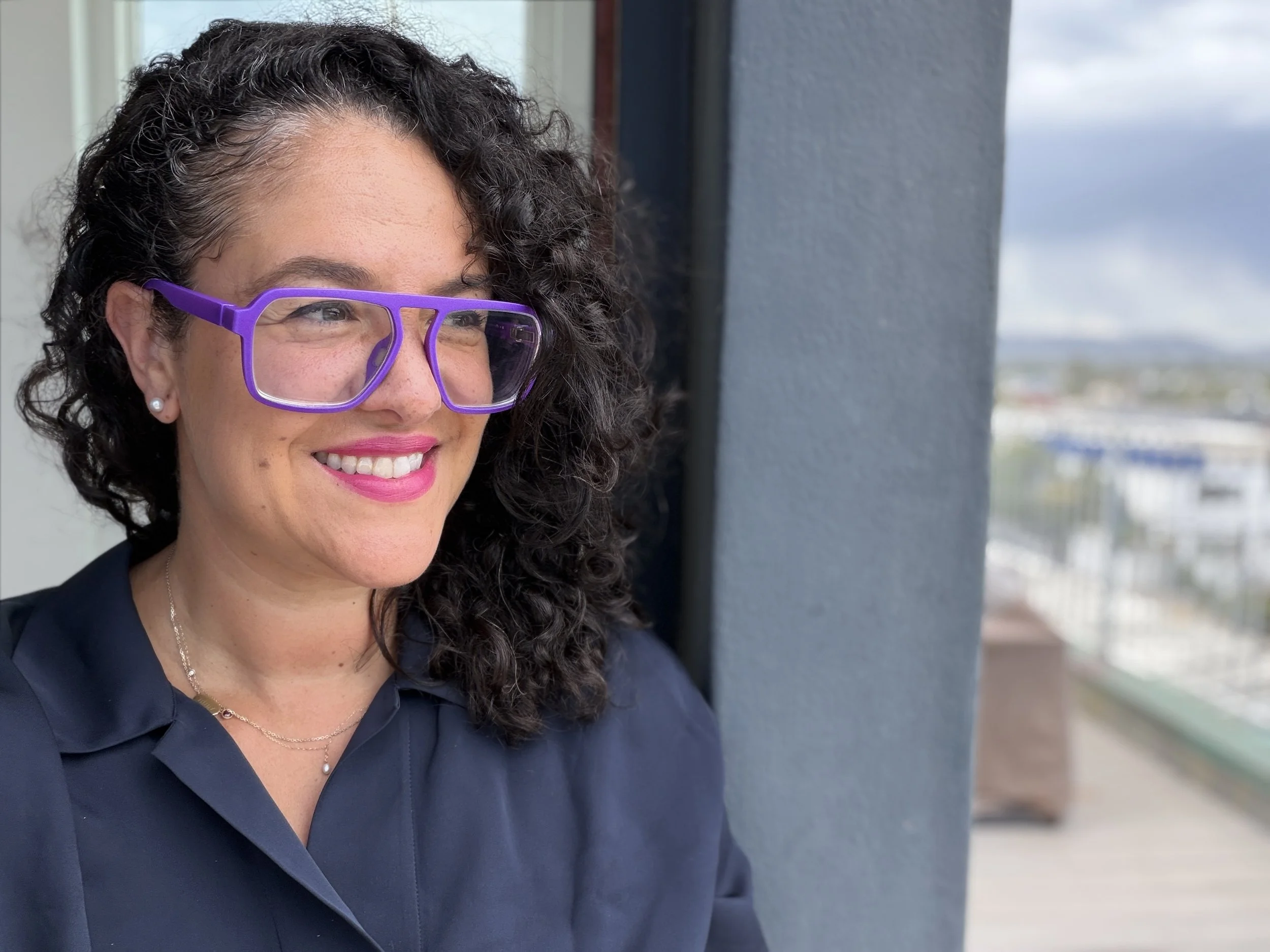
I spent over a decade in trusts and estates, including at an established California firm, before going in-house at a registered investment adviser. I have been named to Best Lawyers: Ones to Watch in Trusts and Estates. In practice that means I can read an accounting, follow how the assets were titled and funded, and tell whether a disputed provision is a drafting habit or a deliberate decision. Parties spend less of the session explaining the documents to the mediator.
In mediation I am a neutral. I do not represent either party, I do not give legal advice in that role, and each side is free to bring their own attorney.
How It Works
A Structured Path Forward
I.
Free consultation
A short call with whichever party reaches out first. I explain the process, check for conflicts and confirm mediation is the right fit.
II.
Agreement to mediate
All parties sign an agreement covering confidentiality, fees and format. I then hold a private intake call with each side.
III.
The session
Half a day or a full day. Opening statements if the parties want them, then joint discussion and private sessions as needed.
IV.
The agreement
If you settle, I draft the settlement terms before anyone leaves. If you settle in part, you leave with the remaining issues narrowed and a plan for them.
FREQUENTLY ASKED QUESTIONS
Common questions before booking
-
California requires a trustee to keep beneficiaries reasonably informed about the trust and its administration, to send the statutory notification when a trust becomes irrevocable, and to provide an account at least annually unless the trust says otherwise. A beneficiary who cannot get information can petition the court to compel an accounting. Most disputes do not need to go that far. A written request, followed by mediation if it is ignored, resolves the majority of them in far less time and at a fraction of the cost.
-
Only a court can order removal, but a trustee can agree to resign as part of a settlement, and that is a common outcome. Mediation often produces a cleaner result than a removal petition: the trustee steps down, a successor or professional fiduciary is appointed by agreement, the accounting is approved and everyone receives a release. That combination is very difficult to obtain from a judge in a single hearing.
-
Yes, and it is worth raising immediately. Once the statutory notification has gone out, a beneficiary generally has 120 days to bring a contest. Parties can agree in writing to toll or preserve that deadline while mediation takes place, or a protective filing can be made and the matter mediated afterward. Anyone in that window should take advice on the deadline from their own attorney straight away, because it is unforgiving.
-
Yes. California Evidence Code section 1119 makes anything said, written or prepared for the purpose of mediation inadmissible and outside discovery, whether or not a case has been filed. The exception is the signed settlement agreement, which is drafted so that it can be enforced. That protection is what lets parties discuss numbers they would never put in a pleading.
-
You are welcome to bring them and I recommend it where the amounts are significant or the legal questions are genuinely contested. Many parties attend without counsel and settle perfectly well. What I cannot do is advise anyone. As mediator I am neutral, and I will suggest that any party wanting advice on settlement terms takes it from their own attorney before signing.
BOOK A FREE CONSULTATION
Start With a Conversation
If a trust dispute is building in your family, the cheapest moment to deal with it is now, before positions harden and before the legal fees start coming out of the trust. Call 310.853.2667, email info@honeybrookslaw.com, or use the booking form.